
UNI Movement Disorders
Movement Disorders
Subspecialty care for Parkinson’s disease, tremor, dystonia, and related conditions — focused on function, independence, and quality of life.
Parkinson's Disease Management
Individualized medical management of Parkinson’s disease — including dopaminergic therapy optimization, recognition and treatment of motor and non-motor complications, and coordination with physical, occupational, and speech therapy.
Tremor, Dystonia & Related Conditions
Expert evaluation of essential tremor, dystonic conditions, and other movement disorders — with precise characterization of underlying etiology and access to the full range of medical and procedural treatments.
Advanced Therapies — DBS & Interventional Options
For patients with refractory Parkinson’s disease or disabling tremor, we evaluate candidacy for Deep Brain Stimulation (DBS) and other advanced interventional approaches, coordinating closely with our neurosurgical team for seamless care.

OUR APPROACH
Optimizing Function at Every Stage
Movement disorders can profoundly affect independence and daily quality of life. Our approach is active, longitudinal, and patient-centered — aimed at optimizing function at every stage of the condition. We integrate multidisciplinary support, monitor treatment response closely, and adjust plans as conditions evolve, ensuring patients and their families are never facing this journey alone.
Our movement disorders specialists have expertise in both common and complex conditions — including Parkinson’s disease, essential tremor, dystonia, Huntington’s disease, atypical Parkinsonism syndromes, and drug-induced movement disorders. We carefully optimize dopaminergic and non-dopaminergic therapies, address non-motor symptoms, and coordinate with physical, occupational, and speech therapy to support overall function. For patients who may benefit from Deep Brain Stimulation, we provide thorough candidacy evaluation and work closely with our neurosurgical team to guide the full process from assessment through programming and long-term follow-up.
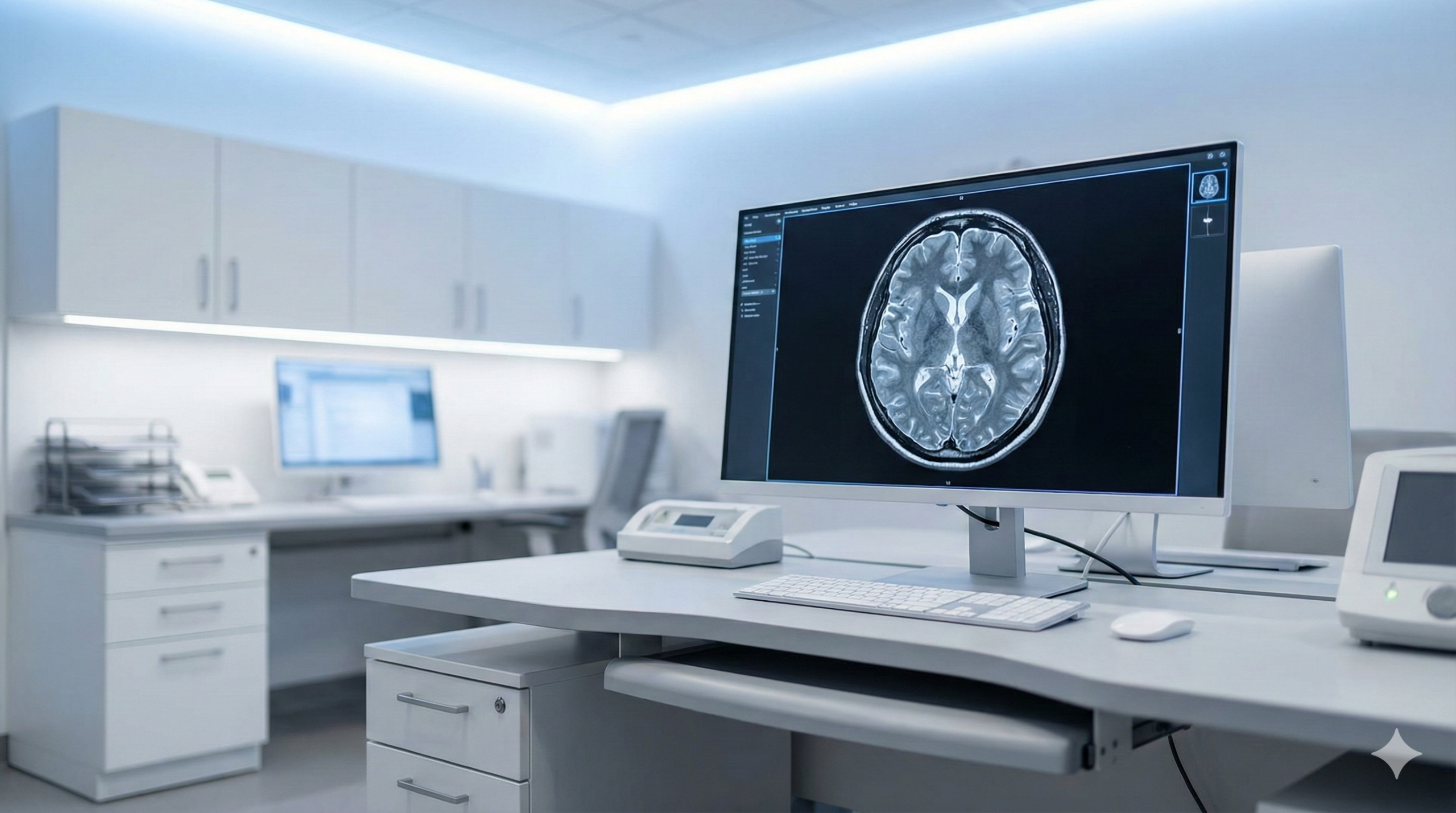
Conditions We Evaluate
Parkinson’s Disease · Essential Tremor · Dystonia · Huntington’s Disease · Progressive Supranuclear Palsy (PSP) · Multiple System Atrophy (MSA) · Corticobasal Syndrome · Restless Legs Syndrome · Tic Disorders & Tourette Syndrome · DBS Candidacy Evaluation · Atypical Parkinsonian Syndromes